
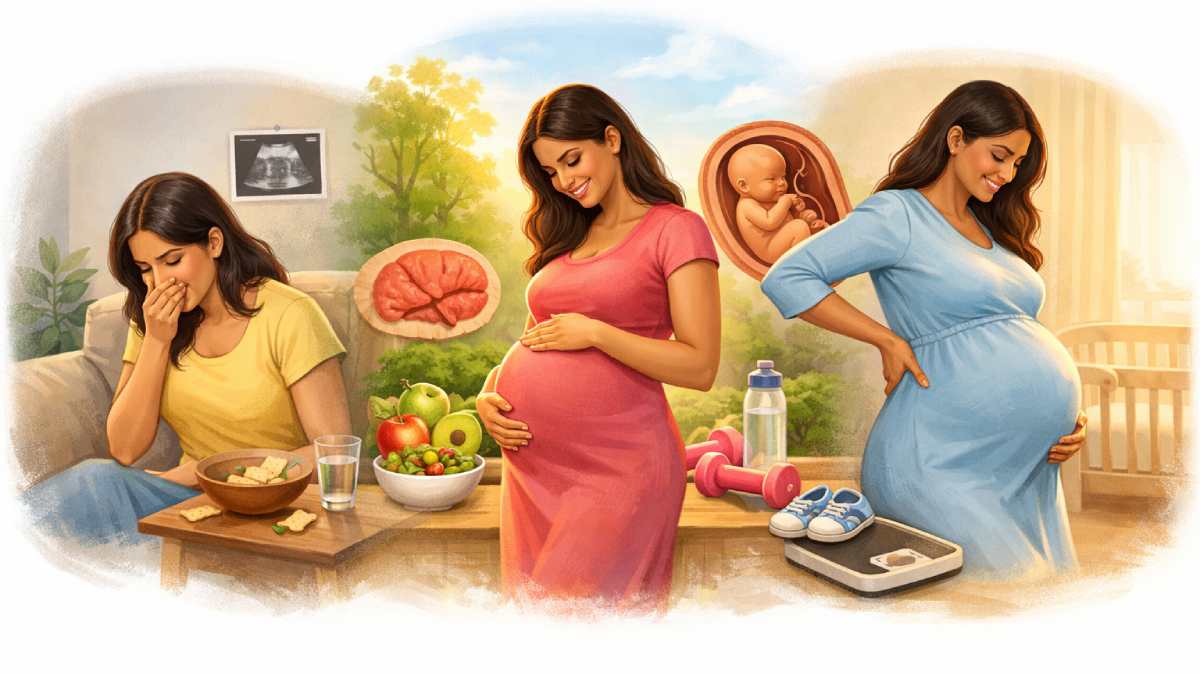
Pregnancy is a beautiful journey, but it also comes with many questions and worries—one of the most common being pregnancy weight gain. “How much weight should I gain?” “Am I gaining too much—or too little?” “What if I’m not gaining any weight during pregnancy?”
As a gynaecologist, I often reassure my patients that weight gain during pregnancy is not one-size-fits-all. Every woman’s body, metabolism, and pregnancy journey is unique. What matters most is healthy, steady weight gain that supports both mother and baby.
In this blog, we’ll break down normal weight gain during pregnancy, explain healthy ranges by trimester, and help you understand what’s right for your body.
Why Pregnancy Weight Gain Is Important
Maternity weight gain isn’t just about the baby. The extra weight supports several vital changes, including
- Growth of the baby
- Development of the placenta
- Increased blood volume
- Amniotic fluid
- Breast tissue changes
- Fat stores needed for breastfeeding
Adequate pregnancy weight gain helps reduce the risk of
- Preterm birth
- Low birth weight
- Nutritional deficiencies
- Complications during delivery
At the same time, excessive weight gain can increase the risk of gestational diabetes, high blood pressure, and delivery complications. Balance is key.
-
BMI for Pregnant Women: The Starting Point
Before discussing average weight gain during pregnancy, we look at your pre-pregnancy Body Mass Index (BMI).
-
Recommended Total Weight Gain Based on BMI
This guideline helps your gynaecologist tailor advice specifically for you.
-
Pregnancy Weight Gain by Trimester
Let’s understand normal weight gain during pregnancy step by step.
First Trimester (0–12 Weeks)
Expected Weight Gain: ✔ 0.5–2 kg (or sometimes none at all)
During the first trimester, your baby is very small. Many women experience
- Nausea and vomiting
- Food aversions
- Loss of appetite
It is completely normal if you are not gaining any weight during pregnancy in the first trimester—especially if morning sickness is severe.
Key Advice
- Focus on nutrition, not numbers
- Eat small, frequent meals
- Stay hydrated
- Don’t worry if the scale doesn’t change much
Second Trimester (13–27 Weeks)
Expected Weight Gain
Around 0.4–0.5 kg per week
This is often the most comfortable phase of pregnancy. Appetite improves, energy returns, and baby growth accelerates.
By the end of the second trimester, most women have gained
- 5–7 kg, depending on their BMI
What’s Happening
- Baby’s organs are developing
- Blood volume increases
- Uterus expands rapidly
This is when pregnancy weight gain becomes more noticeable—and more consistent.
Third Trimester (28–40 Weeks)
Expected Weight Gain: ✔ Around 0.4 kg per week
In the final months, your baby gains the most weight. You may notice
- Swelling
- Reduced appetite due to pressure on the stomach
- Slower weight gain toward the last few weeks
By full term, your average weight gain during pregnancy should fall within the healthy range recommended for your BMI.
What If You’re Not Gaining Enough Weight?
Some women worry about not gaining any weight during pregnancy, especially in the early months. While this can be normal initially, persistent low weight gain needs medical attention.
Possible Causes
- Severe nausea or vomiting
- Thyroid disorders
- Poor dietary intake
- High stress levels
Low maternity weight gain can increase the risk of
- Low birth weight
- Preterm delivery
- Nutritional deficiencies
If weight gain is slow, your gynaecologist may recommend
- Nutritional counselling
- High-protein meals
- Supplements if required
What If You’re Gaining Too Much Weight?
Excessive pregnancy weight gain can also pose challenges.
Possible Risks
- Gestational diabetes
- High blood pressure
- Difficult labour
- Increased chances of C-section
- Post-pregnancy weight retention
Healthy weight gain does not mean “eating for two.” It means eating smart for two.
Healthy Tips for Normal Weight Gain During Pregnancy
Here are simple, practical tips I often share with my patients
Eat Balanced Meals
Include
- Proteins (dal, eggs, fish, lean meat)
- Whole grains
- Fresh fruits and vegetables
- Healthy fats (nuts, seeds, ghee in moderation)
Don’t Skip Calcium & Iron
These are essential for both mother and baby.
Stay Active
Light exercises such as:
- Walking
- Prenatal yoga
- Stretching (with medical approval)
Prioritise Rest
Good sleep helps regulate appetite and metabolism.
Emotional Well-Being and Body Image
Weight gain can sometimes affect self-confidence. Remember
- Your body is doing something extraordinary
- Every pregnancy looks different
- Health matters more than numbers on a scale
As a gynaecologist in Margao, I always encourage open conversations about body changes, emotional health, and expectations during pregnancy.
When to Consult Your Gynaecologist
You should speak to your doctor if
- You are gaining weight too rapidly
- You are not gaining any weight during pregnancy beyond the first trimester
- You feel anxious or confused about weight changes
Regular antenatal visits help monitor both maternal weight gain and baby’s growth, ensuring a healthy pregnancy journey.
Final Thoughts
Pregnancy weight gain is a natural and essential part of motherhood. Understanding what’s normal—based on your BMI and trimester—can ease anxiety and help you focus on what truly matters: your health and your baby’s well-being.
If you have concerns about normal weight gain during pregnancy or need personalised guidance, consult a trusted gynaecologist in Margao who can support you every step of the way.
Remember, a healthy pregnancy is not about perfection—it’s about care, balance, and compassion for yourself.
