
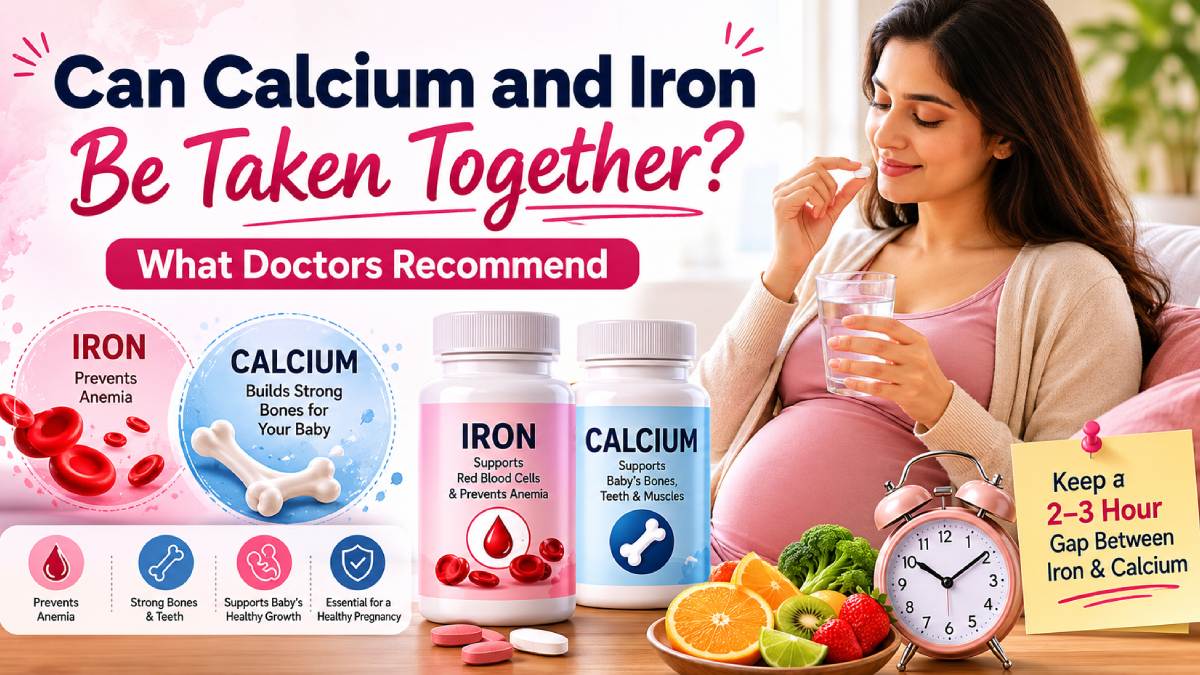
Pregnancy is a phase where nutrition becomes more important than ever. Among the many supplements recommended during pregnancy, calcium and iron are two of the most essential. Iron helps in the formation of healthy red blood cells and prevents anemia, while calcium supports the development of your baby’s bones, teeth, muscles, and heart.
A very common question many women ask during pregnancy is: can calcium and iron be taken together? Since both nutrients are usually prescribed around the same time, it’s understandable to wonder whether taking them together is safe or effective.
The short answer is yes — both are important, but they should ideally not be taken at the same time. Understanding why can help improve absorption and ensure you get the maximum benefit from both supplements.
Why Are Iron and Calcium Important During Pregnancy?
During pregnancy, your body’s nutritional needs increase significantly.
Iron is essential because your blood volume increases to support the growing baby. Low iron levels can lead to iron deficiency anemia, causing fatigue, dizziness, weakness, and shortness of breath.
Calcium, on the other hand, is crucial for the baby’s skeletal development. If a pregnant woman does not consume enough calcium, the baby may draw calcium from the mother’s bones, potentially affecting her bone health later in life.
This is why gynecologists commonly prescribe both supplements throughout pregnancy.
Can Calcium and Iron Be Taken Together?
Technically, yes, they can be taken on the same day. However, most doctors recommend avoiding taking them at the exact same time.
The reason is simple: calcium can interfere with the absorption of iron in the intestine. When both supplements are consumed together, calcium competes with iron during absorption, reducing the amount of iron the body can effectively use.
So, while taking them together is not dangerous, it may make your iron supplement less effective.
Does Calcium Block the Absorption of Iron?
This is one of the most searched questions among pregnant women, and the answer is yes — to some extent.
Research shows that calcium can reduce the absorption of both dietary iron and iron supplements, especially non-heme iron, which is the type found in plant foods and most supplements.
That doesn’t mean you should stop taking calcium. It simply means timing matters.
For example
- Taking an iron tablet with milk may reduce iron absorption
- Taking calcium supplements immediately after iron tablets may also decrease effectiveness
- Large doses of calcium are more likely to interfere with iron absorption
This interaction is especially important during pregnancy because iron requirements are already high.
What Happens If You Take Iron and Calcium Together?
Many patients worry that taking both supplements together could cause serious side effects. Fortunately, that is not the case.
If you accidentally take them together once in a while, there is usually no major harm. The main concern is reduced iron absorption over time.
If this happens regularly, some women may continue to have low iron levels despite taking supplements consistently.
Possible signs of poor iron absorption include
- Persistent tiredness
- Low hemoglobin levels
- Breathlessness
- Pale skin
- Weakness
- Frequent headaches
This is why gynecologists usually advise spacing the supplements apart.
How Long Between Calcium and Iron Supplements?
Another common question is: how long between calcium and iron supplements should there be?
Most doctors recommend keeping a gap of at least 2 hours between iron and calcium supplements. Some may even advise a 3-hour gap in women with severe anemia.
This allows the body enough time to absorb iron properly before calcium enters the digestive system.
Here’s a simple schedule many pregnant women find easy to follow
- Iron tablet: early morning or mid-morning
- Calcium tablet: after lunch or dinner
Spacing them out properly can significantly improve iron absorption.
Best Time to Take Iron and Calcium Tablets During Pregnancy
Timing can make a big difference in how well these supplements work.
Best Time to Take Iron
Iron is best absorbed on an empty stomach. Many doctors recommend taking it:
- Early morning before breakfast
- With a source of vitamin C like orange juice or lemon water
- Away from tea, coffee, and dairy products
Vitamin C helps improve iron absorption naturally.
However, some women experience nausea or acidity when taking iron on an empty stomach. In such cases, taking it after a light meal is acceptable.
Best Time to Take Calcium
Calcium supplements are generally better tolerated after meals.
Most women prefer taking calcium
- After lunch
- After dinner
- Before bedtime
If your calcium supplement contains vitamin D, it may support better calcium absorption.
Foods That Affect Iron Absorption
Apart from calcium tablets, some foods and beverages can also affect iron absorption.
Foods that may reduce iron absorption include
- Milk and dairy products
- Tea and coffee
- High-fiber foods in excess
- Calcium-fortified foods
Foods that improve iron absorption include
- Citrus fruits
- Amla
- Tomatoes
- Bell peppers
- Guava
- Lemon juice
Simple dietary changes can make your supplements work more effectively.
Should Pregnant Women Stop Calcium to Improve Iron Levels?
Absolutely not.
Both nutrients are equally important during pregnancy. The goal is not to choose one over the other, but to take them correctly.
Stopping calcium may increase the risk of bone weakness and muscle cramps, while stopping iron can worsen anemia and affect oxygen delivery to the baby.
The ideal approach is proper scheduling under medical guidance.
What About Prenatal Vitamins That Contain Both?
Some prenatal multivitamins contain both iron and calcium in smaller amounts. These are generally formulated carefully, but women with significant anemia or higher nutritional requirements may still need separate iron and calcium tablets.
In such cases, your doctor may recommend taking the prenatal vitamin at one time and additional supplements later in the day.
Every pregnancy is different, which is why supplement plans should always be personalized.
Practical Tips for Better Supplement Absorption
Here are a few easy tips that can help pregnant women get the most benefit from their supplements:
- Keep a 2–3 hour gap between iron and calcium
- Avoid tea or coffee around iron tablets
- Take iron with vitamin C-rich foods
- Stay hydrated to reduce constipation from iron tablets
- Take calcium after meals for better tolerance
- Follow your doctor’s dosage instructions carefully
Consistency matters more than perfection. Missing an occasional dose is common, but regular timing helps maintain healthy nutrient levels throughout pregnancy.
Final Thoughts
So, can calcium and iron be taken together? Yes — but not at the same time.
Calcium can reduce iron absorption, which is why doctors usually recommend spacing the two supplements apart by at least two hours. This simple adjustment can improve iron levels, reduce the risk of anemia, and help ensure a healthier pregnancy.
Understanding the best time to take iron and calcium tablets during pregnancy can make supplementation more effective and reduce common side effects. Since every woman’s nutritional needs are different, it’s always best to follow advice tailored to your pregnancy.
If you have concerns about anemia, calcium deficiency, pregnancy nutrition, or supplement timing, consulting an experienced specialist can help you create the right plan for you and your baby. If you are looking for guidance from the best gynecologist in Goa, choosing a doctor who focuses on personalized pregnancy care can make a meaningful difference throughout your journey.
