
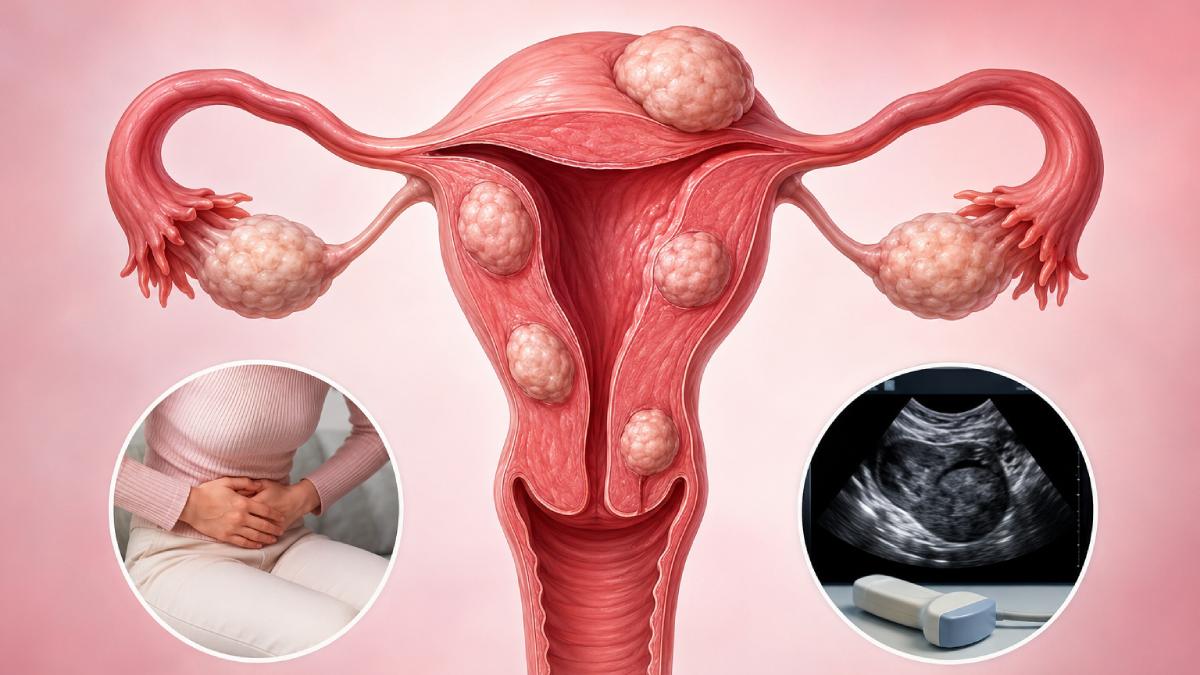
Uterine fibroids are among the most common non-cancerous growths that affect women during their reproductive years. While many women with fibroids may not experience symptoms, others may struggle with heavy menstrual bleeding, pelvic pain, fertility concerns, and pressure symptoms that affect their quality of life.
Understanding the different types of uterine fibroids is important because the location and size of these growths often determine the symptoms they cause and the treatment options available.
In this comprehensive guide, we’ll explain the various types of uterine fibroids, their symptoms, causes, diagnosis, and treatment options.
What Are Uterine Fibroids?
Uterine fibroids, also known as leiomyomas or myomas, are benign tumors that develop from the muscular wall of the uterus. They can vary greatly in size, ranging from tiny growths that are only visible under a microscope to large masses that can enlarge the uterus significantly.
Fibroids are extremely common, with many women developing them at some point in their lives. Although they are non-cancerous, they can sometimes lead to troublesome symptoms that require medical attention.
What Are the Types of Uterine Fibroids?
The classification of fibroids is based on where they develop within the uterus. The four main types of uterine fibroids include:
1. Intramural Fibroids
Intramural fibroids are the most common type of uterine fibroids. They develop within the muscular wall of the uterus.
Symptoms of Intramural Fibroids
- Heavy menstrual bleeding
- Pelvic pain or pressure
- Lower back pain
- Frequent urination
- Enlarged abdomen
As these fibroids grow, they can stretch the uterine wall and cause significant discomfort.
2. Subserosal Fibroids
Subserosal fibroids grow on the outer surface of the uterus and project outward into the pelvis.
Symptoms of Subserosal Fibroids
- Pelvic pressure
- Abdominal fullness or bloating
- Lower back pain
- Frequent urination due to bladder compression
- Constipation if pressure is exerted on the bowel
Because they grow outward, subserosal fibroids may become quite large before causing noticeable symptoms.
3. Submucosal Fibroids
Submucosal fibroids develop just beneath the inner lining of the uterus (endometrium). Although less common, they are often associated with the most significant symptoms.
Symptoms of Submucosal Fibroids
- Heavy or prolonged menstrual bleeding
- Severe menstrual cramps
- Anemia due to blood loss
- Difficulty conceiving
- Recurrent miscarriages
Submucosal fibroids can interfere with implantation and pregnancy, making early diagnosis especially important for women planning to conceive.
4. Pedunculated Fibroids
Pedunculated fibroids are attached to the uterus by a thin stalk or stem. They can develop either inside the uterine cavity or on the outer surface of the uterus.
Symptoms of Pedunculated Fibroids
- Sharp pelvic pain if the stalk twists
- Pressure symptoms
- Abdominal discomfort
- Heavy bleeding in some cases
A twisted pedunculated fibroid can become a medical emergency and may require prompt treatment.
What Causes Uterine Fibroids?
The exact cause of fibroids remains unclear, but several factors may contribute to their development:
Hormonal Factors
Estrogen and progesterone stimulate fibroid growth. Fibroids often enlarge during reproductive years and may shrink after menopause.
Genetic Factors
Women with a family history of fibroids have a higher risk of developing them.
Lifestyle Factors
Certain lifestyle and health factors may increase risk, including:
- Obesity
- High blood pressure
- Early onset of menstruation
- Vitamin D deficiency
Common Symptoms of Uterine Fibroids
Symptoms vary depending on the size, number, and location of the fibroids. Common symptoms include
- Heavy menstrual bleeding
- Prolonged periods
- Pelvic pain or pressure
- Frequent urination
- Constipation
- Lower back pain
- Pain during intercourse
- Difficulty conceiving
- Recurrent pregnancy loss
Some women may have fibroids without experiencing any symptoms at all.
How Are Uterine Fibroids Diagnosed?
A gynecological evaluation is essential for accurate diagnosis.
Diagnostic methods may include
-
Pelvic Examination
Your doctor may detect an enlarged or irregular uterus during a routine examination.
-
Ultrasound
Ultrasound is the most commonly used imaging test for diagnosing fibroids.
-
MRI Scan
MRI provides detailed images that help determine the exact size, number, and location of fibroids.
-
Hysteroscopy
A hysteroscope is inserted through the cervix to examine the uterine cavity, particularly useful for diagnosing submucosal fibroids.
Treatment Options for Uterine Fibroids
Treatment depends on symptoms, age, fertility goals, and the type of fibroid present.
Watchful Waiting
Small fibroids without symptoms may simply require periodic monitoring.
Medications
Certain medications can help
- Control heavy bleeding
- Reduce pain
- Temporarily shrink fibroids
Minimally Invasive Procedures
Options include
- Uterine artery embolization
- MRI-guided focused ultrasound
- Hysteroscopic fibroid removal
Myomectomy
Myomectomy removes fibroids while preserving the uterus, making it suitable for women who wish to have children.
Hysterectomy
In severe cases, removal of the uterus may be recommended as a permanent solution.
When Should You See a Gynecologist?
Seek medical advice if you experience
- Excessively heavy menstrual bleeding
- Pelvic pain that interferes with daily life
- Frequent urination without infection
- Fertility challenges
- Rapid abdominal enlargement
Early evaluation can help prevent complications and improve treatment outcomes.
If you are experiencing symptoms of fibroids, consulting an experienced gynaecologist in Margao can help ensure timely diagnosis and personalized treatment.
Can Fibroids Affect Fertility?
Yes, certain fibroids—especially submucosal fibroids—can affect fertility by
- Distorting the uterine cavity
- Blocking fallopian tubes
- Interfering with embryo implantation
- Increasing miscarriage risk
Women planning pregnancy should discuss fibroid management with a qualified gynaecologist in Margao to optimize reproductive outcomes.
FAQ’s
Conclusion
Understanding the different types of uterine fibroids can help women recognize symptoms early and seek appropriate treatment. Intramural, subserosal, submucosal, and pedunculated fibroids each affect the uterus differently and may require different management approaches.
If you are experiencing symptoms such as heavy periods, pelvic pain, or fertility concerns, schedule an evaluation with a trusted gynaecologist. Early diagnosis and personalized care can help you maintain your reproductive health and overall well-being.
