
Introduction
Have your periods always arrived on time, but lately, they seem to have a mind of their own? Perhaps your period is arriving earlier than expected, getting delayed by several days, or becoming unusually heavy or light. If this sounds familiar, you are not alone If you are looking for professional guidance, consult a Infertility Specialist In Goa..
Many women experience changes in their menstrual cycle at different stages of life. While an occasional late period may not be a cause for concern, sudden or persistent changes in your cycle deserve attention.
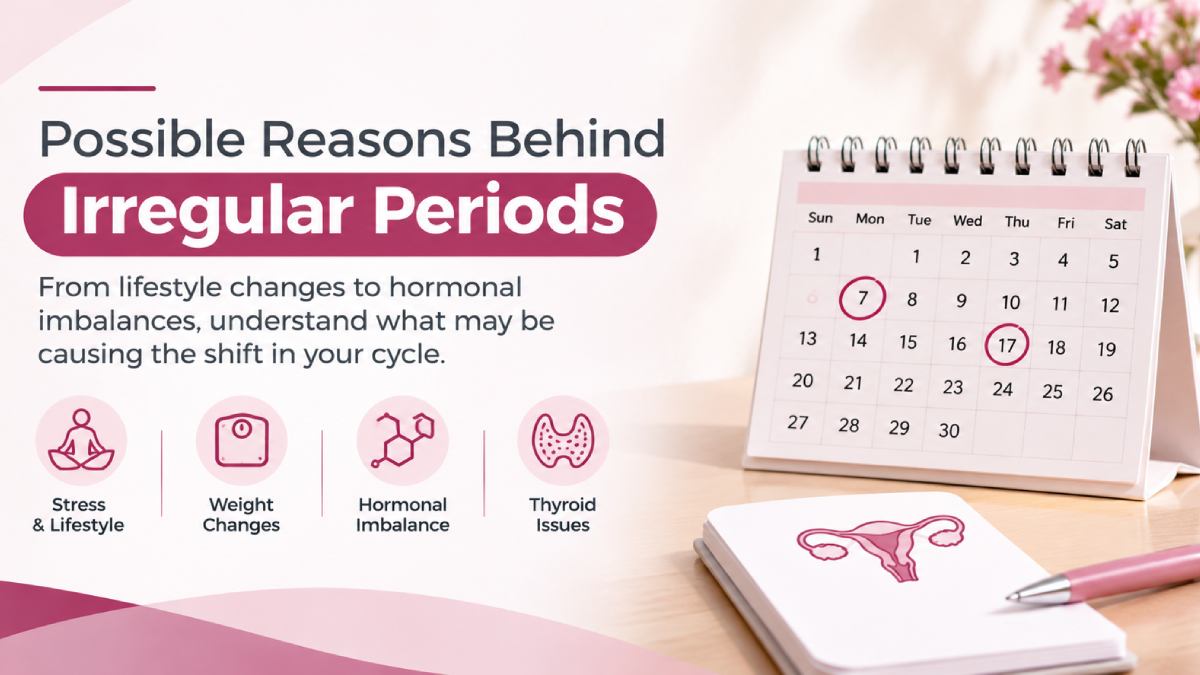
Irregular periods can happen for several reasons, including stress, hormonal changes, thyroid problems, and certain gynaecological conditions. Understanding what your body may be telling you is the first step towards managing the problem.
What Is Considered an Irregular Period?
A menstrual cycle is counted from the first day of one period to the first day of the next. For most adult women, a typical cycle lasts around 21–35 days, although individual patterns can vary.
Your periods may be considered irregular if they frequently arrive much earlier or later than expected, the gap between periods changes significantly, or you occasionally miss periods altogether. Changes in menstrual flow, such as unusually heavy bleeding or very light periods, may also need evaluation.
If your periods suddenly become irregular after being fairly predictable, it is worth paying attention rather than simply assuming it is normal.
12 Possible Causes of Irregular Periods
1. Stress and Emotional Strain
Life can get overwhelming, whether you are managing work deadlines, family responsibilities, relationship concerns, or personal challenges. Prolonged stress can affect the part of your brain that regulates reproductive hormones, potentially delaying ovulation.
When ovulation is delayed, your period may arrive later than expected. If you have been under considerable stress lately, it could be one of the reasons behind your late periods.
2. Sudden Weight Gain or Weight Loss
Significant changes in body weight can affect hormone production and ovulation. Rapid weight loss, restrictive dieting, or inadequate nutrition may disrupt your menstrual cycle. Similarly, substantial weight gain can influence insulin levels and reproductive hormones.
Maintaining a balanced diet and a healthy weight can support menstrual health. However, persistent irregular periods should not automatically be attributed to weight changes alone.
3. Polycystic Ovary Syndrome (PCOS)
Polycystic ovary syndrome, commonly known as PCOS, is one of the important causes of irregular periods in women of reproductive age.
PCOS can interfere with regular ovulation, resulting in delayed periods, missed cycles, acne, increased facial hair, or difficulty managing weight. Not every woman with PCOS experiences all these symptoms.
If your periods are frequently delayed or you notice other hormonal changes, a gynaecological evaluation can help identify whether PCOS may be responsible.
4. Thyroid Disorders
Your thyroid gland plays an important role in regulating metabolism and several bodily functions, including reproductive health.
An underactive thyroid (hypothyroidism) or an overactive thyroid (hyperthyroidism) can affect menstrual regularity. You may also experience symptoms such as fatigue, unexplained weight changes, hair changes, or sensitivity to heat or cold.
A doctor may recommend thyroid function tests if your symptoms and medical history suggest a possible thyroid problem.
5. Excessive Exercise
Regular physical activity is beneficial for overall health. However, intense exercise combined with insufficient calorie intake or inadequate recovery can interfere with the hormones responsible for ovulation.
This is particularly relevant for women involved in endurance sports, intensive training, or demanding fitness routines. If your periods become irregular after increasing your exercise levels, it may be worth reviewing your training, nutrition, and recovery with a healthcare professional.
6. Perimenopause
As women approach menopause, hormonal levels begin to fluctuate. This transition, known as perimenopause, often begins during the 40s, although it can start earlier.
You may notice shorter or longer cycles, skipped periods, changes in menstrual flow, hot flashes, or night sweats. These changes can be a normal part of the menopausal transition, but new or unusually heavy bleeding should still be assessed.
7. Pregnancy
If you are sexually active and your period is late, pregnancy is an important possibility to consider, even if your cycles are usually regular.
A missed period may be one of the earliest signs of pregnancy. Taking a home pregnancy test after your period is due can help clarify the situation. If the result is negative but your period still does not arrive, consider repeating the test after a few days or consulting your gynaecologist.
Seek urgent medical attention if a missed period is accompanied by severe abdominal pain, particularly on one side, dizziness, fainting, or significant bleeding, as these symptoms can indicate an ectopic pregnancy or another urgent condition.
8. Hormonal Birth Control
Birth control pills, hormonal intrauterine devices (IUDs), implants, and contraceptive injections can change your menstrual pattern. Some women experience spotting, lighter periods, or no periods at all while using certain contraceptives. Changes may also occur after stopping hormonal birth control as the body returns to its natural cycle.
If bleeding becomes troublesome or you are concerned about your menstrual pattern, discuss your symptoms with your doctor before making changes to your contraception.
9. Breastfeeding
Breastfeeding increases prolactin levels, a hormone involved in milk production. This can temporarily suppress ovulation and make periods irregular or absent, particularly during exclusive breastfeeding.
Your menstrual cycle may return gradually as breastfeeding frequency decreases. However, ovulation can occur before your first period returns, so pregnancy is still possible during this time.
10. Certain Medications
Some medicines can affect menstrual regularity. These may include certain hormonal treatments, antipsychotic medications, chemotherapy drugs, and other medicines that influence reproductive hormones or prolactin levels.
If your periods became irregular after starting a new medication, let your doctor know. Never stop a prescribed medicine on your own; your doctor can help determine whether it may be contributing to the changes.
11. Elevated Prolactin Levels
Prolactin is a hormone that helps the body produce breast milk. When prolactin levels are higher than normal outside pregnancy or breastfeeding, they can interfere with ovulation and cause irregular or missed periods.
Some women may also notice milky nipple discharge when they are not breastfeeding, headaches, or changes in vision. If these symptoms occur, your doctor may recommend a blood test and further evaluation to identify the underlying cause.
12. Other Gynaecological or Medical Conditions
Conditions such as primary ovarian insufficiency, uterine fibroids, and certain chronic illnesses may be associated with changes in menstrual patterns. Pelvic conditions can also contribute to heavy, prolonged, or irregular bleeding.
The specific symptoms and underlying cause matter. For example, fibroids often cause heavy or prolonged bleeding rather than simply delayed periods. A medical assessment can help distinguish between hormonal disturbances, structural problems, and other conditions that may require treatment.
When Should You Consult a Gynaecologist?
An occasional variation in your cycle may not indicate a serious problem. However, you should consider seeking medical advice if:
- Your periods suddenly become irregular and the change persists.
- You miss three periods in a row and are not pregnant.
- Your cycles are repeatedly shorter than 21 days or longer than 35 days.
- Your bleeding lasts longer than seven days or is significantly heavier than usual.
- You experience bleeding between periods or after sexual intercourse.
- You have severe pelvic pain, unusual fatigue, or other new symptoms.
If you are soaking through a pad or tampon every hour for two consecutive hours, particularly if you feel dizzy, faint, or breathless, seek urgent medical care.
A gynaecologist may review your menstrual history, assess your symptoms, and recommend investigations such as a pregnancy test, blood tests, thyroid function tests, or a pelvic ultrasound, depending on your individual circumstances.
How Can You Support a More Regular Menstrual Cycle?
Although not every cause of irregular periods can be prevented, a few healthy habits may help support hormonal and reproductive health.
- Eat balanced meals: Include adequate protein, healthy fats, fruits, vegetables, and other nutrient-rich foods.
- Manage stress: Make time for relaxation, sleep, and activities that help you unwind.
- Exercise sensibly: Stay active while allowing your body sufficient rest and recovery.
- Maintain a menstrual diary: Record the first day of each period, the duration of bleeding, and any unusual symptoms.
- Avoid self-medication: Do not take hormonal tablets or period-inducing medicines without medical guidance.
Remember, the goal is not simply to make your periods regular. It is to understand why the changes are happening and address the underlying cause.
Take Charge of Your Menstrual Health
Irregular periods can be frustrating, especially when they occur unexpectedly. While stress, lifestyle changes, and natural hormonal transitions may explain some changes, persistent irregularity can sometimes be a sign of an underlying medical condition.
The good news is that many causes of irregular periods can be identified and managed with appropriate medical care. You do not have to wait until your symptoms become uncomfortable or disruptive before seeking help.
If you have noticed changes in your menstrual cycle, speaking with a qualified gynaecologist can help you understand what is happening and decide on the right next steps. If you are looking for a Female Gynecologist In Margao Goa, consider scheduling a consultation to discuss your menstrual concerns, receive an appropriate evaluation, and explore treatment options suited to your needs.
Your menstrual health is an important part of your overall well-being. Listen to your body, ask questions, and seek medical advice when something does not feel right.
