
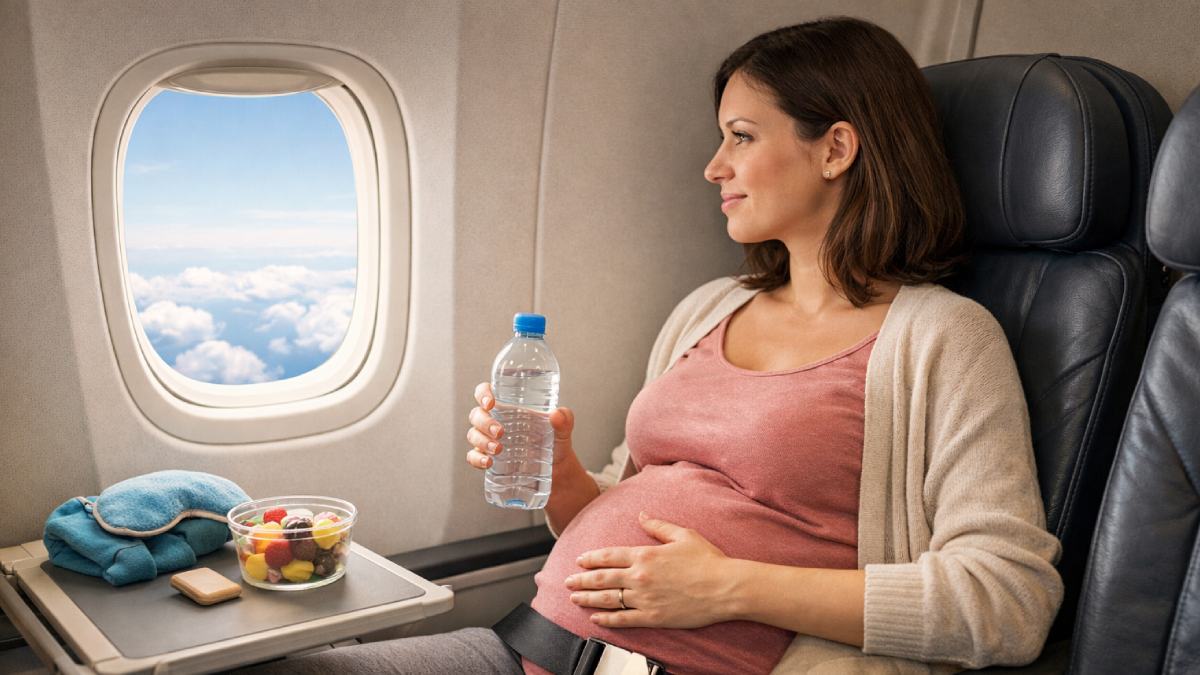
Pregnancy is a beautiful journey, but it also comes with its own set of precautions—especially when it comes to travel. Many expecting mothers wonder whether travel during pregnancy is safe, particularly when it involves flying.
As a gynaecologist, I often get questions like: Can a pregnant woman travel by flight? Which months are safe to travel during pregnancy? or What are the reasons not to travel while pregnant?
In this blog, I’ll guide you through everything you need to know about safe travel, including flying during pregnancy, precautions to take, and situations where travel should be avoided.
Is Travel During Pregnancy Safe?
In most cases, travel during pregnancy is considered safe for women with uncomplicated pregnancies. However, the level of safety depends on several factors, including the stage of pregnancy, your medical history, and the mode of travel.
Short trips are generally fine, but long-distance travel—especially by air—requires more planning and medical clearance.
Can a Pregnant Woman Travel by Flight?
Yes, a pregnant woman can usually travel by flight, provided there are no medical complications. Air travel is considered safe for most women up to a certain point in pregnancy.
However, airlines often have their own policies
- Most allow travel up to 36 weeks ( 32 weeks for twins ) for domestic flights
- For international flights, restrictions may begin earlier (around 28–32 weeks)
- A medical certificate may be required in the third trimester
Always check with your airline before booking your pregnancy and flight journey.
Which Months Are Safe to Travel During Pregnancy?
The second trimester (14 to 28 weeks) is generally considered the safest and most comfortable time for travel.
Why the second trimester is ideal
- Morning sickness usually subsides
- Energy levels improve
- Risk of miscarriage decreases
- Mobility is still manageable
Travel During First Trimester: What You Should Know
Travel during first trimester is possible, but it comes with certain challenges.
Common concerns
- Nausea and vomiting
- Fatigue
- Higher risk of miscarriage (though not caused by travel itself)
Tips
- Stay hydrated
- Carry light snacks
- Avoid long, exhausting journeys
- Keep emergency medical contacts handy
If you have a history of miscarriage or complications, consult your doctor before planning any travel.
Travel in the Third Trimester
Travel becomes more uncomfortable in the third trimester, and risks may increase.
Challenges include
- Swelling in legs
- Back pain
- Increased fatigue
- Risk of preterm labour
Most doctors advise avoiding non-essential travel after 32–34 weeks.
Pregnancy and Flight Journey: Safety Tips
If you’re planning a pregnancy and flight journey, here are essential precautions
-
Get Medical Clearance
Always consult your gynaecologist before flying, especially if
- You have high-risk pregnancy
- You’re carrying multiples
- You have conditions like hypertension or gestational diabetes
-
Choose the Right Seat
- Opt for an aisle seat for easy movement
- Stretch your legs frequently to prevent blood clots
-
Stay Hydrated
Cabin air can be dehydrating. Drink plenty of water and avoid caffeine.
-
Wear Comfortable Clothing
Loose, breathable clothes and compression stockings can help prevent swelling.
-
Use Seat Belts Correctly
Fasten the seat belt below your abdomen, across your hips.
- Move Around Frequently
Walk every 1–2 hours during long flights to reduce the risk of deep vein thrombosis (DVT).
Reasons Not to Travel While Pregnant
While many women can travel safely, there are certain reasons not to travel while pregnant. Avoid travel if you have
- History of preterm labour
- Placenta previa
- Severe anemia
- Uncontrolled diabetes or hypertension
- Vaginal bleeding
- Cervical insufficiency
- Multiple pregnancies with complications
In such cases, travel—especially flying—can pose serious risks to both mother and baby.
General Travel Tips for Pregnant Women
Whether you’re traveling by car, train, or plane, keep these tips in mind
- Plan Ahead
- Carry all medical records
- Keep doctor’s contact details handy
- Research nearby hospitals at your destination
- Pack Smart
Include- Prenatal vitamins
- Medications
- Healthy snacks
- Comfortable clothing
- Avoid Risky Destinations
- Areas with poor medical facilities
- Regions with infectious disease outbreaks
- High-altitude destinations
- Maintain Hygiene
- Carry hand sanitiser
- Avoid unsafe food and water
When to Avoid Flying Completely
There are certain situations where flying is strictly not recommended
- After 36 weeks of pregnancy
- High-risk pregnancies
- Recent complications like bleeding or contractions
- Doctor’s advice against travel
In these cases, postponing travel is the safest option.
Final Thoughts
Travel can still be a part of your pregnancy journey if planned carefully. Understanding the right timing, taking precautions, and knowing the reasons not to travel while pregnant can help you make informed decisions.
If you’re unsure about your fitness for travel, always consult a specialist. Personalized advice is crucial because every pregnancy is unique.
For expert guidance and personalized care, you can consult a female gynecologist in Goa who can assess your condition and help you plan safe travel during pregnancy.
