
Introduction
Polycystic Ovary Syndrome (PCOS), now relabelled as Polyendocrine Metabolic Ovarian Syndrome (PMOS), is a common hormonal condition that affects women during their reproductive years. It can cause irregular periods, acne, unwanted facial hair, difficulty managing weight, and challenges with fertility. If you have been diagnosed with PCOS, you may wonder whether lifestyle changes alone can reverse the condition. If you are seeking professional guidance, consult a Gynecologist In Panaji.
The good news is that PCOS symptoms can often be managed effectively through sustainable lifestyle changes and appropriate medical care. However, it is important to understand the difference between reversing symptoms and permanently curing PCOS.
In this blog, we explore what science actually says about PCOS natural treatment, the lifestyle changes that may help, and when you should consult a gynaecologist.
What Is PCOS and Why Does It Occur?
Polycystic Ovary Syndrome is a complex hormonal and metabolic condition. It is often associated with higher levels of androgens (hormones such as testosterone), irregular ovulation, and changes in insulin sensitivity.
Insulin resistance, in which the body’s cells respond less effectively to insulin, can contribute to hormonal imbalances in some women with PCOS. However, not every woman with PCOS has insulin resistance or excess weight.
Common PCOS symptoms include
- Irregular, infrequent, or absent menstrual periods.
- Acne and oily skin.
- Excess facial or body hair.
- Thinning hair on the scalp.
- Difficulty conceiving due to irregular ovulation.
- Weight gain or difficulty managing weight in some women.
PCOS presents differently in every woman. A proper clinical assessment is important because similar symptoms can also occur with other medical conditions.
Can PCOS Be Reversed Naturally?
The short answer is that PCOS cannot currently be considered permanently curable through natural treatment. However, its symptoms and associated metabolic risks can often improve significantly.
Lifestyle changes may help regulate menstrual cycles, improve insulin sensitivity, support ovulation, and reduce certain symptoms. Some women experience long periods with fewer symptoms when their PCOS is well managed.
However, improvement does not necessarily mean the underlying condition has disappeared. Symptoms may return, and ongoing monitoring may still be necessary. The goal of PCOS management is to improve hormonal and metabolic health, protect long-term well-being, and address each woman’s individual concerns.
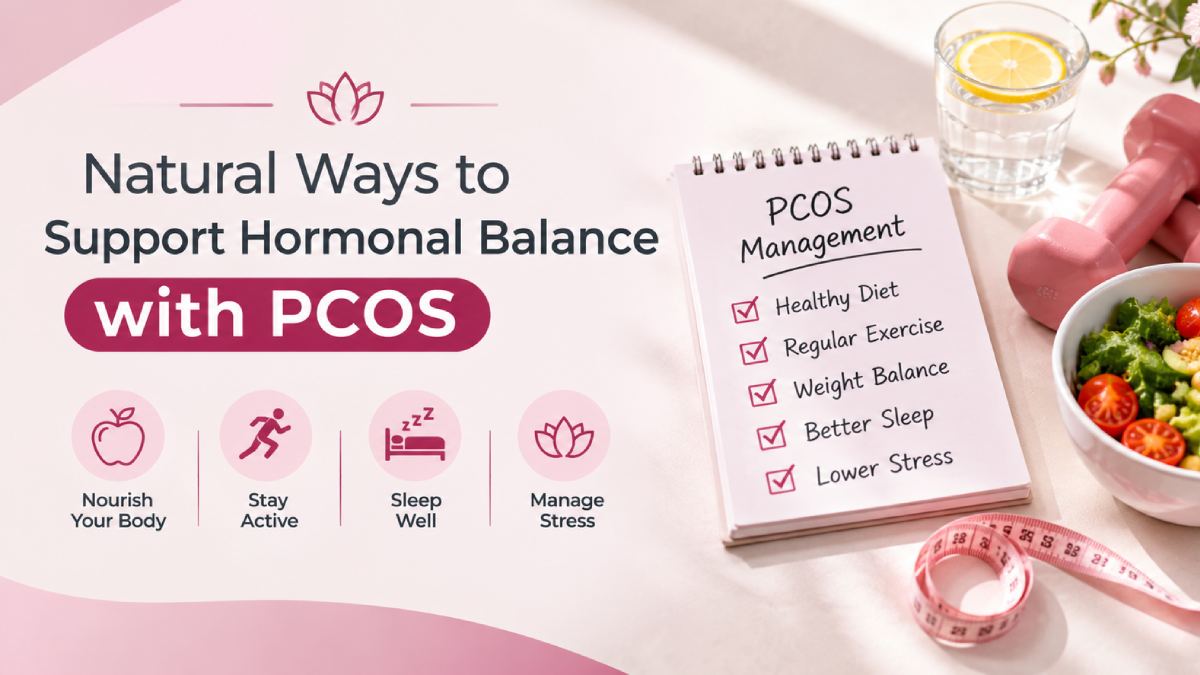
5 Natural Ways to Manage PCOS/PMOS Symptoms
1. Follow a Balanced, Sustainable Diet
Nutrition plays an important role in PCOS management, particularly when insulin resistance or blood sugar regulation is a concern.
A balanced diet can help support metabolic health without requiring extreme restrictions or eliminating entire food groups.
Consider including:
- Whole grains: Oats, whole-wheat roti, millets, and other fibre-rich grains.
- Protein-rich foods: Dal, beans, chickpeas, eggs, fish, tofu, and paneer.
- Healthy fats: Nuts, seeds, and appropriate amounts of unsaturated oils.
- Vegetables and fruits: A variety of colourful vegetables and whole fruits.
- Fibre-rich foods: Legumes, vegetables, and minimally processed grains.
Try to limit excessive intake of sugary drinks and highly processed foods. Pairing carbohydrates with protein, fibre, and healthy fats may also help support steadier blood sugar levels.
There is no single diet proven to be best for every woman with PCOS. Choose a sustainable eating pattern that suits your health needs, preferences, and daily routine.
2. Exercise Regularly
Regular physical activity is one of the most useful components of PCOS natural treatment. Exercise can improve insulin sensitivity, cardiovascular health, mood, and overall fitness, even when significant weight loss does not occur.
You can begin with activities such as
- Brisk walking for 20–30 minutes.
- Cycling, swimming, or dancing.
- Strength training two days a week.
- Yoga or stretching for flexibility and stress relief.
Gradually work towards recommended physical activity levels, adjusting your routine to your fitness and medical needs. Consistency matters more than following an intense exercise programme that is difficult to maintain.
Exercise can benefit women with PCOS across different body sizes. It should be viewed as a way to improve health, not simply as a method of losing weight.
3. Maintain a Healthy Weight Without Extreme Dieting
For women who have excess weight, modest weight loss may improve insulin sensitivity, menstrual regularity, and ovulation. However, weight loss is not essential for every woman with PCOS to experience health benefits. Crash diets, prolonged fasting without appropriate guidance, and excessively restrictive eating plans can be difficult to sustain and may affect nutritional health.
Instead, focus on achievable habits, including balanced meals, regular activity, adequate sleep, and consistent routines. Women who are not overweight can also benefit from healthy lifestyle changes.
4. Prioritise Sleep and Stress Management
Sleep and emotional well-being are important but sometimes overlooked aspects of PCOS management.
Poor sleep, persistent stress, and anxiety can affect energy levels, eating habits, and the ability to maintain healthy routines. Women with PCOS may also experience psychological difficulties that deserve proper attention.
To support better well-being:
- Aim for approximately 7–9 hours of sleep each night as an adult.
- Maintain consistent sleep and waking times.
- Practise relaxation techniques, meditation, or gentle yoga.
- Make time for enjoyable activities and social support.
- Seek professional help if anxiety, low mood, or sleep problems persist.
These measures can complement medical treatment, although they are not a guaranteed cure for hormonal symptoms.
5. Be Careful With Herbal Remedies and Supplements
Many online sources promote herbal products, detox drinks, and supplements as natural cures for PCOS. Some supplements, including inositol, have been studied for potential benefits, but the evidence varies.
Inositol may help certain metabolic measures in some women, but evidence for meaningful improvements in ovulation, excess hair growth, and weight remains limited. The best formulation and dose are also not firmly established. Do not assume that a product is safe simply because it is labelled natural. Supplements may have side effects, interact with medications, or vary in quality.
Consult your gynaecologist before starting supplements, especially if you are trying to conceive, are pregnant, or take other medication.
When Is Medical Treatment Necessary?
Lifestyle changes are an important foundation, but they may not address every PCOS symptom. Medical treatment can be tailored to your priorities and clinical findings.
Depending on your symptoms and goals, your gynaecologist may recommend
- For irregular periods: Hormonal treatment or other options to protect the uterine lining.
- For acne and excess hair growth: Appropriate hormonal or dermatological treatments.
- For metabolic concerns: Assessment and, when indicated, medication such as metformin.
- For fertility concerns: Ovulation-induction treatment when appropriate.
Women with PCOS may also need assessment of blood pressure, blood glucose, cholesterol, and other health risks. If periods are absent for several months, seek medical advice rather than relying on home remedies alone.
If you are planning a pregnancy, early consultation can help identify the most suitable approach. PCOS does not automatically mean infertility, and many women with the condition conceive with appropriate support.
How Long Does Natural PCOS Treatment Take to Work?
There is no fixed timeline for improvement. Some women may notice changes in energy levels or metabolic health within weeks to months, while menstrual regularity, acne, and hair-related symptoms can take longer to improve. Results depend on individual hormonal patterns, the symptoms being treated, other health conditions, and the consistency of the management plan.
Keep track of your menstrual cycles and symptoms, and attend follow-up appointments as advised. This helps your doctor assess progress and adjust treatment when necessary.
When Should You Consult a Gynaecologist?
Consult a gynaecologist if you experience persistently irregular periods, excessive facial hair, worsening acne, unexplained changes in weight, or difficulty conceiving.
Seek prompt assessment if you have gone around 90 days without a period, particularly if this is unusual for you. Very heavy bleeding or severe pelvic pain also requires medical evaluation.
If you are looking for the best gynaecologist in Panjim, choose a qualified specialist who can evaluate your symptoms, explain your treatment options, and develop a personalised care plan based on current medical evidence.
Final Thoughts: Can PCOS Be Reversed Naturally?
PCOS may not have a permanent natural cure, but it can often be managed successfully. A balanced diet, regular physical activity, adequate sleep, stress management, and appropriate medical care can improve symptoms and support long-term health.
The most effective approach is not about following a miracle diet or eliminating every symptom overnight. It is about understanding your body, identifying your individual needs, and making sustainable changes with professional guidance.
Remember: PCOS is manageable, and you do not have to navigate it alone. Consult your gynaecologist to find an approach that supports your menstrual health, metabolic well-being, and future fertility goals.
