
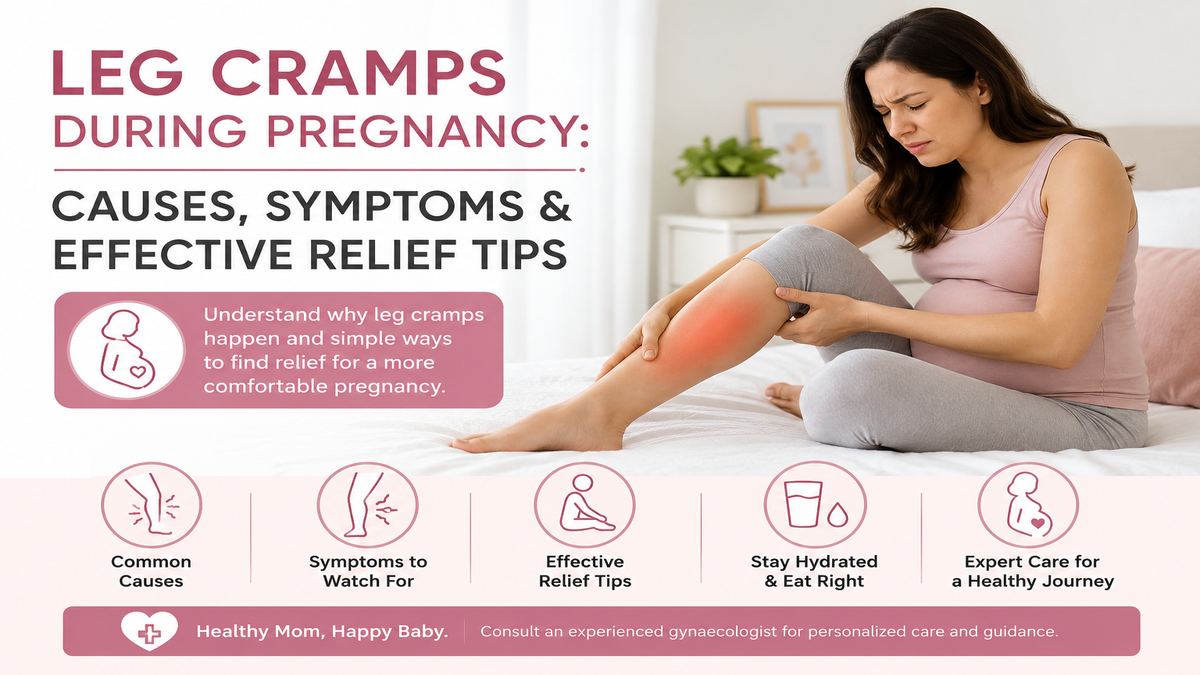
Pregnancy brings many beautiful changes, but it also comes with its share of physical discomforts. One of the most common complaints expectant mothers experience is leg cramps during pregnancy. These sudden, painful muscle contractions can happen during the day, but they are especially common at night, often disturbing sleep and causing significant discomfort.
For many women, pregnancy leg cramps begin during the second trimester and may continue until delivery. While they are usually harmless, frequent cramps can be frustrating and exhausting, especially when combined with the other physical changes pregnancy brings.
Understanding why these cramps happen and learning simple ways to manage them can make pregnancy more comfortable and less stressful.
What Are Leg Cramps During Pregnancy?
Leg cramps are sudden tightening or spasms of the muscles, usually affecting the calf muscles. The pain may last for a few seconds or even several minutes. Some women describe the sensation as a sharp pulling pain, while others feel intense tightness in the calf area.
Although cramps can occur in different parts of the leg, calf cramps and pregnancy often go hand in hand because the calf muscles carry much of the body’s weight during pregnancy.
These cramps can happen
- During sleep
- After long periods of standing
- While walking
- After sudden movement
- During the later months of pregnancy
For some women, cramps begin surprisingly early. In fact, cramps in leg early pregnancy are also fairly common due to hormonal and circulation changes.
Why Do Leg Cramps Happen During Pregnancy?
There is no single cause behind pregnancy leg cramps. Usually, several factors contribute together.
1. Increased Weight and Pressure on Muscles
As pregnancy progresses, the body carries extra weight, putting more strain on the muscles, especially in the legs and calves. The muscles become fatigued more easily, increasing the chances of cramping.
2. Changes in Blood Circulation
Pregnancy affects blood circulation throughout the body. The growing uterus can put pressure on blood vessels, reducing smooth circulation to the legs. This may contribute to calf muscle pain during pregnancy and nighttime cramps.
3. Mineral Deficiencies
Low levels of magnesium, calcium, or potassium may contribute to muscle cramps. These minerals play an important role in proper muscle function and nerve signaling.
4. Dehydration
Not drinking enough water can trigger muscle spasms. During pregnancy, hydration becomes even more important because the body’s fluid requirements increase significantly.
5. Muscle Fatigue
Standing for long hours, excessive walking, or physical exertion may overwork the leg muscles, leading to cramps.
6. Nerve Compression
In some cases, the growing uterus may compress nerves that travel to the legs, contributing to discomfort and muscle spasms.
These are some of the most common reasons for muscle cramps during pregnancy.
Are Leg Cramps Common in Early Pregnancy?
Yes, they can be.
While many women experience cramps later in pregnancy, legs cramping during early pregnancy is not unusual either. Hormonal changes, increased blood volume, and shifting electrolyte balance can all contribute to early muscle cramps.
However, it is important to differentiate normal muscle cramps from severe pain, swelling, or redness in one leg, which may require medical attention.
Symptoms of Pregnancy Leg Cramps
Most pregnancy leg cramps are easy to recognize. Common symptoms include:
- Sudden sharp pain in the calf
- Tightening or hardening of leg muscles
- Difficulty moving the foot temporarily
- Muscle soreness after the cramp subsides
- Pain occurring mostly at night
Some women may continue to feel mild tenderness in the calf muscles even after the cramp resolves.
Why Are Nighttime Leg Cramps So Common?
Many pregnant women notice cramps more frequently at night. This may happen because muscles become more fatigued by the end of the day. Blood circulation also slows slightly during prolonged rest, which can trigger cramps during sleep.
In addition, lying in certain positions may put pressure on nerves and blood vessels supplying the legs.
Sleep disturbances from cramps can become particularly frustrating during the third trimester when finding a comfortable sleeping position is already difficult.
Effective Relief Tips for Leg Cramps During Pregnancy
The good news is that several simple measures can help reduce the frequency and intensity of cramps.
Stretch the Calf Muscles
Gentle stretching is one of the most effective ways to relieve a cramp.
If a cramp occurs
- Straighten the leg
- Flex the foot upward toward the knee
- Massage the calf gently
- Walk slowly if possible
Regular stretching before bedtime may also help prevent nighttime cramps.
Stay Hydrated
Dehydration can worsen muscle cramps. Pregnant women should drink adequate water throughout the day, especially during hot weather or after physical activity.
Maintain Proper Nutrition
A balanced diet rich in calcium, magnesium, and potassium may support healthy muscle function.
Foods that may help include
- Bananas
- Nuts and seeds
- Dairy products
- Green leafy vegetables
- Coconut water
- Lentils and beans
Your doctor may sometimes recommend supplements if deficiencies are suspected.
-
Avoid Standing for Long Periods
Standing continuously can strain the calf muscles and worsen discomfort. Taking short breaks and changing positions regularly may help improve circulation.
-
Wear Comfortable Footwear
Supportive footwear reduces stress on the leg muscles and may help prevent muscle fatigue.
-
Gentle Physical Activity
Regular walking and pregnancy-safe exercises improve blood circulation and muscle flexibility.
However, excessive strain should be avoided. -
Sleep on the Left Side
Sleeping on the left side may improve circulation and reduce pressure on major blood vessels.
Some women also find relief by placing a pillow under the legs while sleeping.
When Should You See a Doctor?
Although most leg cramps during pregnancy are harmless, medical evaluation is important if you experience
- Severe swelling in one leg
- Redness or warmth in the calf
- Persistent pain that does not improve
- Difficulty walking
- Sudden shortness of breath
- Frequent severe cramps affecting daily life
These symptoms may sometimes indicate circulation-related problems that need prompt medical attention.
Can Leg Cramps Be Prevented Completely?
Unfortunately, there is no guaranteed way to prevent pregnancy leg cramps entirely. However, lifestyle measures can greatly reduce their frequency and severity.
Simple habits such as staying active, drinking enough water, stretching regularly, and maintaining proper nutrition often make a noticeable difference.
Every pregnancy is different, and some women may experience cramps more often than others.
The Emotional Impact of Pregnancy Discomfort
Small discomforts like leg cramps are often dismissed as “normal,” but repeated sleep disruption and pain can affect mood, energy, and overall well-being during pregnancy.
Many women feel anxious when symptoms become frequent, especially first-time mothers who are unsure what is considered normal. Reassurance, proper guidance, and timely care can make pregnancy feel much more manageable and comfortable.
Final Thoughts
Leg cramps during pregnancy are extremely common and usually harmless, but they can certainly be uncomfortable. Whether it is calf cramps and pregnancy-related muscle tightness or cramps in leg early pregnancy, understanding the causes can help women manage symptoms more effectively.
Simple lifestyle changes such as stretching, hydration, balanced nutrition, and proper rest can provide significant relief. However, persistent or severe symptoms should never be ignored.
If you are experiencing frequent pregnancy leg cramps or have concerns about calf muscle pain during pregnancy, consulting an experienced specialist can help ensure both maternal comfort and a healthy pregnancy journey. For women seeking expert pregnancy care and guidance, connecting with an experienced gynaecologist in Margao can provide personalized support at every stage of pregnancy.
