
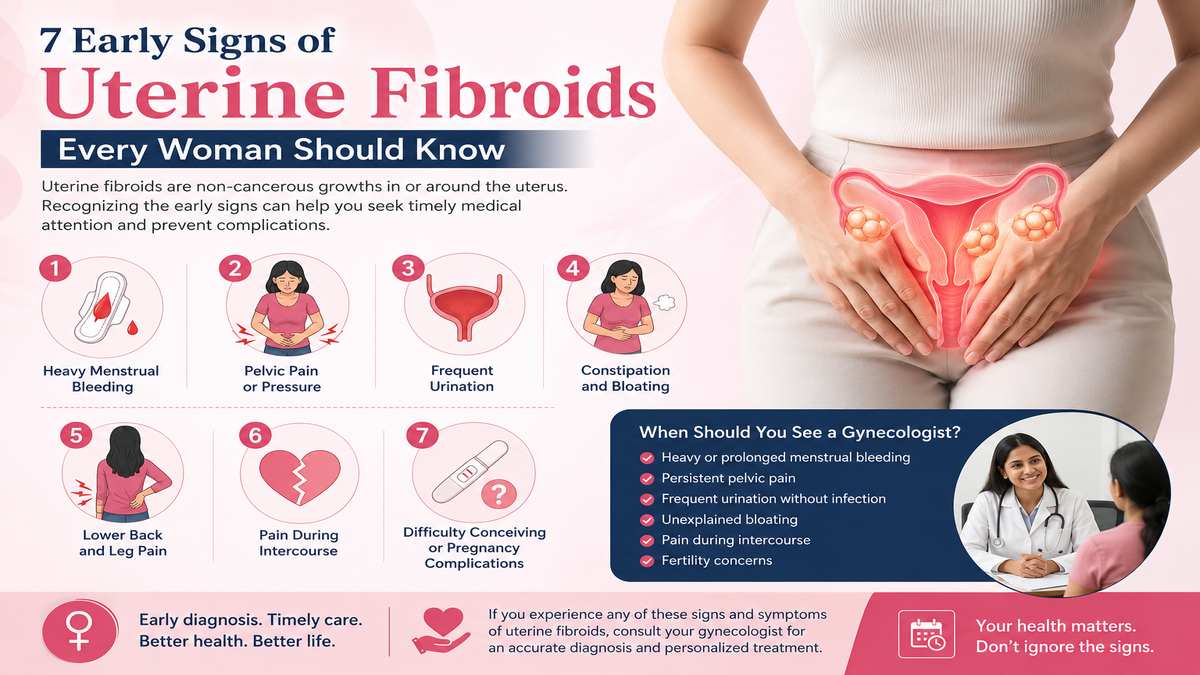
Uterine fibroids are one of the most common non-cancerous growths affecting women during their reproductive years. While many women with fibroids may not experience any symptoms, others can develop signs that impact their daily life, menstrual health, fertility, and overall well-being.
Recognizing the signs of uterine fibroids early can help you seek timely medical attention and prevent complications. In this article, we’ll discuss the most common uterine fibroid symptoms and explain when it’s time to consult a specialist.
What Are Uterine Fibroids?
Uterine fibroids, also known as leiomyomas, are benign growths that develop in or around the uterus. They can vary in size, from tiny seedlings to large masses that may distort the shape of the uterus.
Although the exact cause is not fully understood, factors such as hormonal changes, genetics, obesity, and family history may increase the risk of developing fibroids.
1. Heavy Menstrual Bleeding
One of the earliest and most common signs and symptoms of uterine fibroids is unusually heavy menstrual bleeding.
Women may notice
- Soaking through sanitary pads or tampons frequently
- Passing large blood clots
- Menstrual periods lasting longer than seven days
- Needing double protection during periods
Heavy bleeding can significantly affect quality of life and may eventually lead to anemia if left untreated.
2. Pelvic Pain or Pressure
As fibroids grow, they can create pressure within the pelvis. Many women describe this sensation as:
- Persistent pelvic discomfort
- A feeling of fullness in the lower abdomen
- Dull aching pain
- Pressure that worsens during menstruation
Pelvic pressure is among the most noticeable uterine fibroid symptoms and should not be ignored, especially when it becomes chronic.
3. Frequent Urination
Fibroids located near the bladder can compress it, reducing its capacity to hold urine.
You may experience
- Frequent trips to the bathroom
- Sudden urges to urinate
- Difficulty completely emptying the bladder
Many women initially mistake this symptom for a urinary tract infection, but it can actually be one of the lesser-known signs of uterine fibroids.
4. Constipation and Bloating
Large fibroids may press against the rectum and surrounding organs, causing digestive discomfort.
Common symptoms include
- Constipation
- Bloating
- Difficulty passing stools
- Increased abdominal pressure
When digestive symptoms occur alongside menstrual changes, fibroids may be the underlying cause.
5. Lower Back and Leg Pain
Fibroids can sometimes put pressure on nerves in the pelvic region, leading to
- Lower back pain
- Pain radiating down the legs
- A feeling of heaviness in the lower body
Although not always associated with gynecological conditions, back pain can be one of the important signs and symptoms of uterine fibroids, especially when accompanied by other symptoms.
6. Pain During Intercourse
Some women with fibroids experience discomfort or pain during sexual intercourse.
This can occur because
- Fibroids alter the shape of the uterus
- Certain fibroid locations create pressure during intercourse
- Pelvic inflammation contributes to discomfort
Pain during intimacy should always be evaluated by a gynecologist, as it may indicate fibroids or other underlying reproductive health conditions.
7. Difficulty Conceiving or Pregnancy Complications
While many women with fibroids conceive naturally, some fibroids can interfere with fertility depending on their size and location.
Potential concerns include
- Difficulty becoming pregnant
- Recurrent miscarriages
- Increased risk of pregnancy complications
- Challenges with implantation
If you are trying to conceive and experiencing other uterine fibroid symptoms, a thorough gynecological evaluation is recommended.
When Should You See a Gynecologist?
You should schedule an appointment if you experience
- Heavy or prolonged menstrual bleeding
- Persistent pelvic pain
- Frequent urination without infection
- Unexplained bloating
- Pain during intercourse
- Fertility concerns
Early diagnosis allows for more treatment options and better outcomes.
If you’re looking for a female gynecologist in Goa, seeking professional evaluation at the first sign of symptoms can help determine whether fibroids are affecting your health and what treatment approach is best for you.
How Are Uterine Fibroids Diagnosed?
A gynecologist may recommend
- Pelvic examination
- Ultrasound scan
- MRI imaging
- Hysteroscopy (in selected cases)
These diagnostic tools help determine the number, size, and location of fibroids.
Treatment Options for Uterine Fibroids
Treatment depends on factors such as age, symptom severity, fertility goals, and fibroid size.
Options may include
-
Lifestyle and Monitoring
Small fibroids without significant symptoms may only require regular observation.
-
Medications
Hormonal treatments can help manage bleeding and reduce symptoms.
-
Minimally Invasive Procedures
Advanced techniques can shrink or remove fibroids while preserving the uterus in many cases.
-
Surgical Treatment
For larger or symptomatic fibroids, surgery may be recommended when other treatments are not effective.
Final Thoughts
Understanding the early signs of uterine fibroids can help women seek timely care before symptoms become severe. Heavy periods, pelvic pressure, frequent urination, bloating, back pain, painful intercourse, and fertility challenges are among the most common signs and symptoms of uterine fibroids.
If you are experiencing any of these uterine fibroid symptoms, consulting an experienced gynecologist can help you receive an accurate diagnosis and personalized treatment plan. Early intervention often leads to better symptom control, improved quality of life, and better reproductive health outcomes.
