
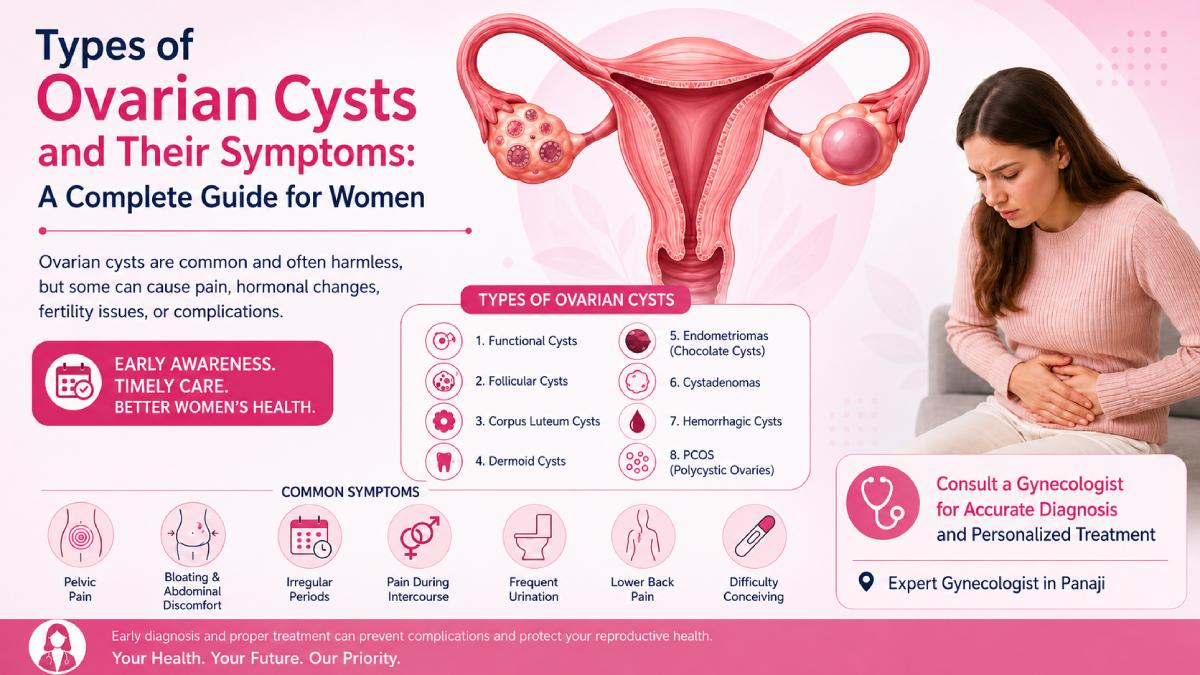
Ovarian cysts are extremely common, affecting women of all ages. While many cysts are harmless and disappear on their own, others may cause pain, menstrual irregularities, fertility concerns, or complications that require treatment.
Understanding the different ovarian cyst types can help women recognize symptoms early and seek appropriate medical care. Whether you have recently been diagnosed with a cyst or are experiencing pelvic discomfort, knowing the various types of ovarian cysts is the first step toward protecting your reproductive health.
What Are Ovarian Cysts?
An ovarian cyst is a fluid-filled sac that develops on or inside an ovary. Most ovarian cysts form during ovulation and are usually benign.
What Are the Different Types of Ovarian Cysts?
The most common types of ovarian cysts include:
- Functional cysts
- Follicular cysts
- Corpus luteum cysts
- Dermoid cysts
- Endometriomas
- Cystadenomas
- Hemorrhagic cysts
- Polycystic ovaries associated with PCOS
Each type has different causes, symptoms, and treatment approaches.
Common Ovarian Cyst Symptoms
Many women with ovarian cysts experience no symptoms. However, larger cysts or complex cysts may cause
- Pelvic pain
- Lower abdominal discomfort
- Bloating
- Pain during intercourse
- Irregular menstrual periods
- Frequent urination
- Difficulty conceiving
- Lower back pain
The severity of symptoms often depends on the size and type of cyst.
Types of Ovarian Cysts and Their Symptoms
1. Functional Ovarian Cysts
Functional cysts are the most common ovarian cyst types and occur as part of the normal menstrual cycle.
Most functional cysts disappear naturally within a few weeks or months.
Symptoms
- Mild pelvic discomfort
- Delayed periods
- No symptoms in many women
2. Follicular Cysts
A follicular cyst develops when the ovarian follicle fails to release an egg during ovulation.
Symptoms
- Mild pelvic pain
- Menstrual irregularities
- Usually asymptomatic
Follicular cysts are among the most frequently diagnosed types of ovarian cysts in reproductive-age women.
3. Corpus Luteum Cysts
After ovulation, the follicle becomes the corpus luteum. Sometimes it fills with fluid and enlarges.
Symptoms
- Pelvic pain
- Delayed menstruation
- Light vaginal bleeding
Most resolve without intervention.
4. Dermoid Cysts
Dermoid cysts are benign tumors that may contain hair, skin, fat, and even teeth.
Symptoms
- Pelvic pressure
- Abdominal fullness
- Ovarian cyst pain
- Risk of ovarian torsion
These cysts often require surgical removal if they become large.
5. Endometriomas (Chocolate Cysts)
Endometriomas are associated with endometriosis and are among the most significant types of ovarian cysts affecting fertility.
Symptoms
- Severe menstrual pain
- Heavy periods
- Chronic pelvic pain
- Pain during intercourse
- Infertility
6. Cystadenomas
Cystadenomas develop from ovarian surface tissue.
They can become very large and cause significant pressure symptoms.
Symptoms
- Abdominal swelling
- Pelvic discomfort
- Bloating
- Digestive pressure
7. Hemorrhagic Ovarian Cysts
These cysts occur when bleeding develops inside a functional cyst.
Symptoms
- Sudden sharp pelvic pain
- One-sided abdominal pain
- Pain during movement
Most heal without surgery.
8. Polycystic Ovaries Associated with PCOS
Women with PCOS often develop multiple immature follicles within the ovaries.
Symptoms
- Irregular periods
- Acne
- Weight gain
- Excess hair growth
- Difficulty getting pregnant
PCOS is one of the leading hormonal causes of infertility worldwide.
What Causes Ovarian Cysts?
Several factors can increase the risk of ovarian cyst formation
- Hormonal imbalances
- Pregnancy
- Endometriosis
- Pelvic infections
- Polycystic Ovary Syndrome
- Previous ovarian cysts
Understanding these ovarian cyst causes helps guide prevention and treatment.
When Should You Worry About an Ovarian Cyst?
Most cysts are harmless, but certain symptoms require immediate evaluation.
Seek urgent medical care if you experience
- Sudden severe pelvic pain
- Fainting
- Dizziness
- Fever
- Rapid breathing
- Severe abdominal swelling
- Persistent vomiting
These symptoms may indicate
- Ovarian torsion
- Ruptured ovarian cyst
- Internal bleeding
How Are Ovarian Cysts Diagnosed?
Accurate ovarian cyst diagnosis usually involves
Pelvic Examination
A gynecologist checks for ovarian enlargement or tenderness.
Pelvic Ultrasound
Ultrasound remains the gold standard for evaluating:
- Size
- Shape
- Internal structure
- Blood flow
Blood Tests
Hormone testing and selected tumor markers ( CA-125 ,AFP, hCG,LDH,inhibin ) may be recommended.
MRI or CT Scan
Occasionally required for complex ovarian cysts with abnormal characteristics on ultrasound
Ovarian Cyst Treatment Options
Treatment depends on the type, size, symptoms, and age of the patient.
Observation
Small functional cysts often disappear naturally.
Medications
Hormonal contraceptives may rarely reduce the risk of future cyst formation.
Surgery
Surgery may be recommended if
- The cyst is large
- Symptoms are severe
- The cyst continues to grow
- Cancer cannot be ruled out or there is an abnormal appearance
Most surgeries can be performed laparoscopically.
Can Ovarian Cysts Affect Fertility?
Many ovarian cysts do not affect fertility.
However, certain ovarian cyst types such as endometriomas and cysts associated with PCOS may interfere with ovulation and conception.
Early diagnosis and treatment can help preserve fertility and improve pregnancy outcomes.
When to Visit a Gynecologist
You should consult a gynecologist in Panaji if you experience:
- Persistent pelvic pain
- Recurrent bloating
- Pain during intercourse
- Irregular periods
- Difficulty conceiving
Regular gynecological checkups can help detect ovarian cysts early and prevent complications. If symptoms persist, seeking advice from an experienced gynecologist in Panaji can ensure timely diagnosis and appropriate treatment.
FAQ’s
Conclusion
Understanding the different ovarian cyst types empowers women to recognize symptoms, seek timely treatment, and make informed decisions about their reproductive health. While most types of ovarian cysts are harmless, some can affect fertility, cause chronic pain, or lead to complications if left untreated.
If you are experiencing pelvic pain, bloating, irregular periods, or other ovarian cyst symptoms, consult a trusted gynecologist in Panaji for a thorough evaluation and personalized treatment plan. Early diagnosis is the key to maintaining long-term gynecological health.
